
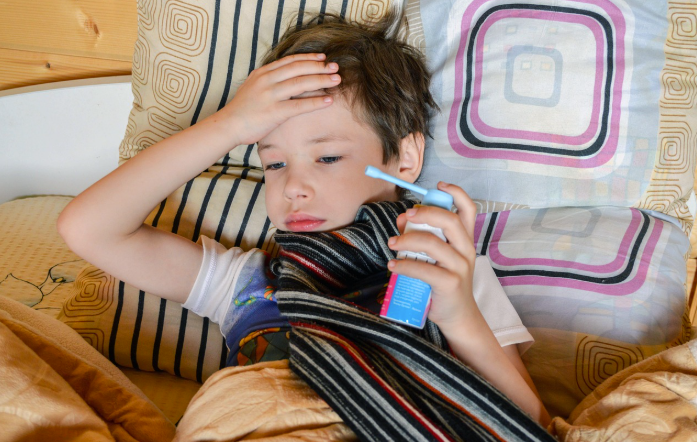
Is Your Kid Experiencing Somatic Symptoms?
Psychologically induced symptoms, or “somatic symptoms,” are physical sensations without clear roots in a physical condition or identified mental disorder. Stomach aches, fatigue, and pain are a few common sensations that people with somatic symptoms might experience. If inexplicable aches and pains have been impacting your kid’s ability to learn and function, you may be wondering whether they could be experiencing somatic symptoms.
Here are 5 common questions that parents have about psychologically induced symptoms:
What causes somatic symptoms?
Somatization happens because the mind and body are closely connected and constantly communicate. Our senses take in information from the world around us, send it to the brain, and then the brain sends messages back to the body to help us physically react appropriately.
Somatic symptoms are often the nervous system’s way of signaling that something doesn’t feel right. This could be an environment, a person, or another situation that the body interprets as presenting some sort of threat. The fight-or-flight response, for example, is a strong physical reaction that can happen when we (consciously or subconsciously) think we are in danger. Somatic symptoms can also increase worry about one’s health, which then makes their health symptoms worse, creating a vicious cycle.
In school, stress about homework or bullying might cause a kid to experience chronic headaches or stomachaches for example, and these mind-body reactions are often stronger for students who struggle with anxiety, depression, or PTSD.
A hallmark of somatic disorders is that they are difficult to identify. Schedule a consultation with our experts to learn about our psychological testing services
2. What are common somatic symptoms?
Like “butterflies in the stomach,” somatic symptoms may not have an easily identifiable cause. However, they are very real, and somatic symptoms can be so intense that they cause significant stress and interfere with daily life. They can include:
Weakness or numbness
Trouble breathing
General pain
Nausea and vomiting
Seizure-like episodes
Symptoms will vary from kid to kid, and any physical complaint that cannot be linked to a medical condition might be a somatic symptom.
3. How can I tell if my kid is faking it?
It’s normal for parents to wonder whether their kid is pulling a Ferris Bueller & faking sick to avoid school or homework, but be cautious about openly dismissing their claims. Even when their symptoms seem questionable, it’s important to understand that the mind & body are deeply connected, and mental distress can often cause the same level of pain and discomfort as a physical injury.
Trusting your kid to communicate what they are feeling, and how they are feeling it, is vital to addressing both psychological and physical stressors.
4. Should I take my kid to a medical doctor or a psychologist?
Both a medical doctor and a psychologist can help when trying to identify and treat somatic symptoms. Often, that process starts with a medical doctor ruling out any underlying physical conditions. Once that has been ruled out, visiting a psychologist is the most reliable way to start addressing the symptoms that your kid experiences.
If your kid’s academic success is impacted by their symptoms and they have been diagnosed with a somatic symptom related disorder, a qualified evaluator can help determine whether they qualify for a 504 plan or an IEP under the Individuals with Disabilities Education Act (IDEA).
5. How can I get my kid the help they need?
Somatic symptoms can be frustrating for both students and parents. For children, it can be confusing and distressing to experience pain without understanding its source, especially if their concerns are dismissed by teachers or caregivers. Over time, not being taken seriously can have lasting effects on a child’s self-esteem, intuition, and relationships. Parents can be made to feel helpless when watching their kid struggle without a clear diagnosis to guide next steps.
Our comprehensive testing offers the security of a diagnosis and an evidence-based perspective on which 504 accommodations or IDEA categories your child may be eligible for. Our experts then work with you to identify the most effective paths for supporting your student’s unique needs.
So you know you need help, but aren’t sure how
to find the right help?
If a loved one has a learning difference or other condition that impacts their mental health and education, you may feel lost in determining the best ways to support them.
Our Diagnosticians can provide psychological testing to remove the
guess-work and guide your family on the best path toward mental health, emotional wellness, and academic success.
Click below to schedule your consultation.
Subscribe to our blog on topics that affect your life:
Click below to subscribe to Psychologically Speaking
The purpose of this article is to provide an overview of the highlighted topic. For a full consultation, and personalized assessment plan, schedule an appointment below.
with one of our specialists.
More about Variations Psychology
Variations Psychology is a group practice specializing in diagnostic testing to identify psychological conditions.
Our comprehensive evaluations test for conditions that impact mental health and development such as ADHD, autism spectrum disorders, depression, anxiety, learning disorders, and developmental delays.
In addition to diagnostic services, we offer Independent Educational Evaluations (IEEs) of K-12 students to assess needs for accommodations in school and determine their appropriate placements. IEEs provide an objective second opinion on existing IEP and 504 Plans.
For K-12 and post-secondary students, we offer evaluations to assess needs for accommodations on standardized tests, college entrance exams (e.g. - SAT, ACT, AP Exams), and graduate and professional licensing exams (e.g. - MCAT, LSAT, GRE, CBEST, NCLEX, GMAT, CA Cosmetology Exam, CA Contractors State Licensing Exam, CA Bar Exam).
Schedule your consultation below to learn how our diagnostic services can support you and your family.
Variations Psychology is located in Newport Beach, CA and provides psychological testing to residents throughout Orange County and its surrounding areas including Newport Beach, Newport Coast, Irvine, Shady Canyon, Laguna Beach, Laguna Hills, Coto de Caza, Corona del Mar, Costa Mesa, Yorba Linda, Dana Point, Laguna Niguel, Aliso Viejo, Mission Viejo, Pelican Hill, Crystal Cove, Rancho Santa Margarita, San Clemente, Lake Forest, Huntington Beach, Sunset Beach, Seal Beach, and more.
References:
Fava GA, Fabbri S, Sirri L, Wise TN. (2007). Psychological factors affecting medical condition: a new proposal for DSM-V. Psychosomatics. Mar-Apr;48(2):103-11. Retrieved from https://pubmed.ncbi.nlm.nih.gov/17329602/
Functional Neurological Disorder (Formerly Conversion Disorder). (2025). Cleveland Clinic. Retrieved from https://my.clevelandclinic.org/health/diseases/17975-conversion-disorder
Psychological Factors Affecting Other Medical Conditions (PFAOMC/PFAMC). (2021). PsychDB. Retrieved from https://www.psychdb.com/somatic/dsm-5/psychological-factors
Physical Symptoms of Emotional Distress: Somatic Symptoms and Related Disorders. (2023). American Academy of Child & Adolescent Psychiatry. Retrieved from https://www.aacap.org/AACAP/Families_and_Youth/Facts_for_Families/FFF-Guide/Physical_Symptoms_of_Emotional_Distress-Somatic_Symptoms_and_Related_Disorders-124.aspx
Shinn. M.M. (2021). Is My Child or Teen Depressed? 10 Tell-Tale Questions to Consider Psychologically Speaking. [Variations Psychology blog post]. Retrieved from https://www.variationspsychology.com/blogs/is-my-child-or-teen-depressed-10-tell-tale-questions-to-consider
Shinn. M.M. (2024). My Kid is Being Bullied - How Will This Impact Their Ability to Learn? Psychologically Speaking. [Variations Psychology Blog Post]. Retrieved from https://www.variationspsychology.com/blogs/my-kid-is-being-bullied-how-will-this-impact-their-ability-to-learn
Shinn, M. (2023). School Refusal and Anxiety: 7 Questions for Parents to Consider. Psychologically Speaking. [Variations Psychology blog post]. Retrieved from https://www.variationspsychology.com/blogs/school-refusal-and-anxiety-7-questions-for-parents-to-consider
Shinn. M.M. (2025). What Are the 13 Categories of IDEA?. Psychologically Speaking. [Variations Psychology blog post]. Retrieved from https://www.variationspsychology.com/blogs/what-are-the-13-categories-of-idea
Somatization and the Mind-Body Connection. (n.d.). BC Mental Children’s Hospital. Retrieved from https://keltymentalhealth.ca/somatization
Somatic symptom disorder. (2026). Mayo Clinic. Retrieved from https://www.mayoclinic.org/diseases-conditions/somatic-symptom-disorder/symptoms-causes/syc-20377776
Student Anxiety and School: Why It Happens and How Parents and Educators Can Help. (2025). Variations Psychology. Retrieved from https://www.variationspsychology.com/blogs/student-anxiety-and-school-why-it-happens-and-how-parents-and-educators-can-help-4b24t
Understanding Somatic Symptom Disorders in Young Adults. (n.d.). The Dorm. Retrieved from https://thedorm.com/blog/somatic-symptom-treatment-young-adults/
What is Somatic Symptom Disorder. (2026). American Psychiatric Association. Retrieved from https://www.psychiatry.org/patients-families/somatic-symptom-disorder/what-is-somatic-symptom-disorder
How to Cite This Blog Article:
Shinn. M.M. (2026). Is Your Kid Experiencing Somatic Symptoms? Psychologically Speaking. [Variations Psychology blog post]. Retrieved from (https://www.variationspsychology.com/blogs/is-your-kid-experiencing-somatic-symptom)